
"wild arabica"
2000 article(s) found

Introduction of washable Arabica Casitama Coffee Bean production area treatment Manor
Washed Arabica Sidamo coffee beans feature regional treatment manors that introduce Ethiopia's Sidamo is a type of single origin that grows in Arabica coffee in Ethiopia's Sidamo province. Like coffee in most African countries, Ethiopian Sidamo is characterized by small gray beans, but characterized by its rich, spicy, wine or chocolate-like taste and floral aroma. At the institute

Typica coffee beans belong to the early days of Tibica and bourbon coffee.
Professional coffee knowledge exchange more coffee bean information please follow the coffee workshop (Wechat official account cafe_style) front street-tin pickup, bourbon variety introduction in Arabica's recognized hometown, Ethiopia, there are more than 2000 known bean species, in the wild coffee forests, there are more unknown waiting to be explored. Most of them are collectively referred to as native species, such as we are familiar with

Kenyan Coffee touching Story of Kenyan Coffee the impact of Kenya's climate on coffee
Professional coffee knowledge exchange more coffee bean information please follow the coffee workshop (Wechat official account cafe_style) when you say "Kenya", you think of the African prairie and the animal migration, is there anything else? The coffee-loving editor immediately thought of mellow coffee. Kenya is the largest coffee-producing area in East Africa, and it is also a representative term for fine coffee. Even Starbucks sells Kenyaca.

Is Katim the truth hidden by Arabica or Robusta Katim and Arabica?
Professional coffee knowledge exchange more coffee bean information please follow the coffee workshop (Wechat official account cafe_style) Qianjie-Yunnan Coffee introduction Coffee Tree is a flowering plant of the coffee genus Rubiaceae, with a figure ranging from small shrubs to 18-meter-tall trees. Wild coffee species grow irregularly in the tropics, and new species are still being discovered.

Xialanye plus an Ethiopian Yega Sheffield Tintin processing Plant to wash G1 Fine Coffee
Professional coffee knowledge exchange more coffee bean information please follow the coffee workshop (Wechat official account cafe_style) talk about boutique coffee, you can't bypass Ethiopia. It is the birthplace of the famous Arabica coffee beans, where people still keep the habit of picking wild coffee beans. The coffee garden, which is more than 1500 meters above sea level, has formed a unique coffee style, which is wild in nature.
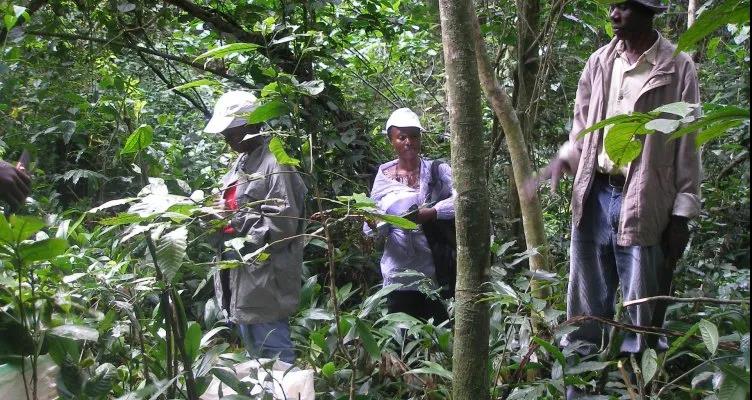
Drought-resistant wild Robsta has been found in Uganda, which is of great help to the cultivation of drought-tolerant coffee varieties.
For more information on coffee beans, please follow the Coffee Workshop (Wechat official account cafe_style) recently coffee variety researchers in Uganda, the Netherlands and France have discovered a previously unknown wild robusta coffee population with potential drought resistance in Uganda's endangered forests. This discovery will help to cultivate drought-resistant coffee varieties and coffee industry in the future.

Price characteristics of Arakabi coffee bean producing area grinding scale flavor description variety
Arabica coffee bean producing area price characteristics grinding scale flavor description the coffee made from Arabica coffee beans is of higher quality and tastes different than other commercially grown coffee varieties (such as Robusta). And the caffeine content of this kind of coffee is also low. The traditional processing method is to harvest coffee berries manually, peel them on the same day, and use hand-selected coffee beans to pass through

Coffee varieties Arabica Coffee varieties Abstract what are the main varieties of fine coffee
Coffee can be divided into three main varieties, namely, Arabica (Coffea arabica), Robusta Coffea canephora (Robusta) and Liberia (Coffea liberica). Arabica is the main force of boutique coffee, suitable for growing at higher elevations, tastes better, is more delicate, needs care, and is the smallest of the three, so it is also known as

Full-bodied Ethiopian Yega Sheffield Coffee Flavor Taste Manor Description
The main coffee producing areas in Ethiopia are Harar in the east, Djimmah in the southwest and Sidamo in the south. Yirgacheffe, which has a unique aroma, comes from a small town called Yirga in the northwest of Sidamo province. Yirgacheffe among coffee connoisseurs worldwide

Where is Ethiopia's best coffee produced? where does Yega Xuefei belong to? where does it come from?
Professional coffee knowledge exchange more coffee bean information please follow Coffee Workshop (Wechat official account cafe_style) Front Street-Ethiopia Yega Sheffei production area introduction Ethiopia, as the natural habitat and birthplace of wild Arabica coffee, is the world's largest coffee gene pool. Since ancient times, the complex history of planting and processing in Ethiopia has ignored political boundaries.

Which country in Africa has the best coffee? how to drink the coffee brought back by Africa?
Professional coffee knowledge exchange more coffee bean information please follow the coffee workshop (Wechat official account cafe_style) Ethiopia global market share: 5% treatment: washing and tanning season: October-December output (2012): 8 million bags main varieties: Arabica, Ethiopia original varieties global production ranking: Ethiopia, the world's fifth largest coffee producer

What are the beans and varieties of Ethiopian Manor? How is the flavor and taste?
Professional coffee knowledge exchange more coffee bean information please follow the coffee workshop (Wechat official account cafe_style) Ethiopia is the hometown of Arabica coffee, it is in the forests of the Kaffa region that you can see wild Arabica coffee. In Ethiopian, coffee is called Bun or Buna, and coffee beans (coffeebean) may be from Ka

Do coffee beans abound in Africa? how can coffee bean merchants get coffee beans in Africa?
Professional coffee knowledge exchange more coffee bean information please pay attention to the coffee workshop (Wechat official account cafe_style) Africa, is the world's second largest continent, but also the second largest population, at the same time, it has more than 20 countries produce coffee, the flavor is very diverse, the span of the flavor wheel is large enough to dominate. Ethiopia, in Africa, is the birthplace of coffee bean Arabica, Ethel.

What are the natural weather conditions and environment for growing coffee
Character identification: 1. The seed coat of small fruit coffee has been removed, oval or oval in shape, 8-10mm in length, 5-7mm in diameter, 3-4mm in the middle part of coffee tree, raised on the back, flat on the ventral surface, with slightly curved longitudinal groove and paper seed coat marks. Raw products are yellow or dark green; baked products are dark brown with special aroma and slightly bitter taste. Astringent. 2. The seeds of medium fruit coffee are slightly larger and ovoid.

The difference between Harald Coffee and Yegashefi Coffee, the Best Coffee Variety in Ethiopia
Professional coffee knowledge exchange more coffee bean information please follow the coffee workshop (Wechat official account cafe_style) Ethiopia is the hometown of Arabica coffee, it is in the forests of the Kaffa region that you can see wild Arabica coffee. In Ethiopian, coffee is called Bun or Buna, and coffee beans (coffeebean) may be from Ka

Does the wild Yemeni mocha taste good or not? Yemeni mocha coffee tastes good.
Professional coffee knowledge exchange more coffee bean information please follow the coffee workshop (Wechat official account cafe_style) [Preface] Yemen is located in the southwestern tip of the Arabian Peninsula, adjacent to Saudi Arabia and Oman, bordering the Red Sea, the Gulf of Aden and the Arabian Sea. Yemeni mocha coffee is the oldest coffee in the world, and Yemen is one of the first countries in the world to grow coffee. It is said that as early as 1561 AD

Is Lumi Sultan good? what are the characteristics of Lumi Sultan Coffee? different kinds of sweet
Professional coffee knowledge exchange more coffee bean information please follow the coffee workshop (Wechat official account cafe_style) front street-South American Sudanese coffee introduction when Arabica, Rosa, tin pickup, bourbon, Katim. More and more nouns such as coffee lovers appear in the field of vision of coffee lovers, indicating that in addition to flavor description, origin information and treatment, coffee beans have increasingly become

Malawian boutique coffee Rose Summer Coffee Flavor Kiki Rainforest
Geisha bean is one of the wild Arabica beans, which has a long history and is quite rare. Its name comes from the geisha rainforest (Geisha Forest). It has been welcomed by many coffee lovers in recent years and has been sold at the highest bidding price in coffee history. The treasure of geisha beans lies in their small harvest and difficult harvest. On average, a coffee tree is only two kilograms of raw beans or large.
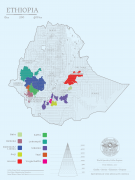
The Development of Ethiopian Coffee the reasons for the Development of Ethiopian Coffee
Ethiopia, a landlocked country located in the Horn of Africa, is the most populous landlocked country in the world. Ethiopia is regarded as the birthplace of coffee-Arabica species (Arabica). It has rich native varieties and a wide range of genetic sequences, many of which can not be found in other countries. Coffee in Ethiopia is mostly grown by small farmers on their own small estates or in the wild.
How much do you know about the coffee producing areas in Ethiopia?
Following caf é (Wechat official account vdailycom) found that Beautiful Cafe opened a small shop of its own. What else is there besides Yega Xuefei, the coffee producing area of Ethiopia? Ethiopia, an ancient country on the African continent, is the hometown of Arabica coffee. It is in the forests of the Kaffa region that you can see wild Arabica coffee. Coffee is in Ethiopia.